Chettinad Shop Home

Category

Culture & Heritage

8 articles

Spices That Crossed Oceans: How Chettinad's Trading Past Shapes What You Cook Tonight

Spices That Crossed Oceans: How Chettinad's Trading Past Shapes What You Cook Tonight

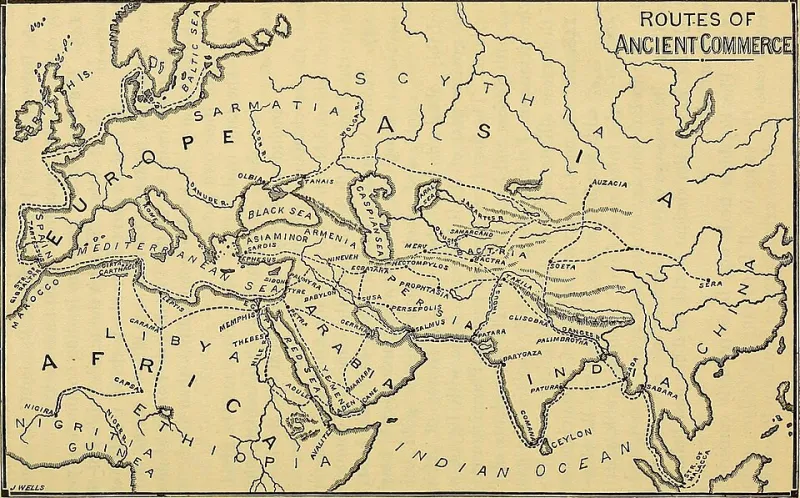
Long before global supply chains existed, Chettinad merchants were crisscrossing the Indian Ocean, bringing back spices that permanently rewired a cuisine. Understanding those old trade routes doesn't just make for a great dinner-party story — it actually changes how you shop for and use Chettinad ingredients in your American kitchen today.

Why That Recipe Tastes Off in Your American Kitchen — and What to Actually Do About It

You followed the recipe exactly. You used the same ingredients your family shipped over or hunted down at the Indian grocery store. And yet — something is just slightly wrong. If this sounds familiar, you're not imagining things. American kitchens quietly change the way Chettinad food turns out, and there are real, fixable reasons why.

How Chettinad Spice Traders Quietly Changed the Way the World Eats

Long before "fusion cuisine" became a buzzword, Chettinad merchants were sailing trade routes that connected South India to Southeast Asia, the Middle East, and beyond. Their spice knowledge didn't just flavor distant kitchens — it reshaped them. Here's the untold story of how those ancient trade connections eventually found their way into American cooking.

The Ancient Rituals That Made Chettinad Food One of the World's Great Cuisines

The Ancient Rituals That Made Chettinad Food One of the World's Great Cuisines

Long before Chettinad chicken appeared on restaurant menus across America, it was part of a living culinary tradition shaped by temple rituals, merchant trade routes, and family recipes passed down through generations. Understanding where these dishes come from doesn't just make for good dinner conversation — it fundamentally changes the way you cook and eat them.